Eco-Friendly Starbucks A Deep Dive
Eco-Friendly Starbucks – Eco-friendly Starbucks is gaining increasing attention as consumers prioritize sustainability. This exploration delves into Starbucks’ multifaceted approach to environmental responsibility, examining their initiatives, consumer perception, and prospects. From reusable cups to sustainable sourcing, the company’s commitment to eco-friendliness is multifaceted and significant.
This analysis will explore Starbucks’ current eco-friendly practices, comparing them to competitors and considering the impact on both the environment and consumer perceptions. The report also considers the challenges and opportunities in maintaining and expanding these initiatives, including customer feedback and potential future trends in the coffee industry.
Starbucks’s Eco-Friendly Initiatives

Source: sammobile.com
Starbucks has increasingly focused on environmentally conscious practices, aiming to reduce its impact on the planet. This commitment extends from sourcing and production to store operations and customer engagement. The company’s efforts demonstrate a growing awareness of the need for sustainable business practices in the coffee industry.
Starbucks’ current eco-friendly initiatives encompass a broad range of activities. These initiatives are designed to address environmental concerns, from reducing waste to promoting ethical sourcing. The company’s progress and future goals in this area are noteworthy.
Current Eco-Friendly Practices
Starbucks’s current initiatives reflect a multi-faceted approach to sustainability. The company has implemented various programs across its operations to minimize its environmental footprint. Key examples include the use of reusable cups, sustainable sourcing, and waste reduction efforts.
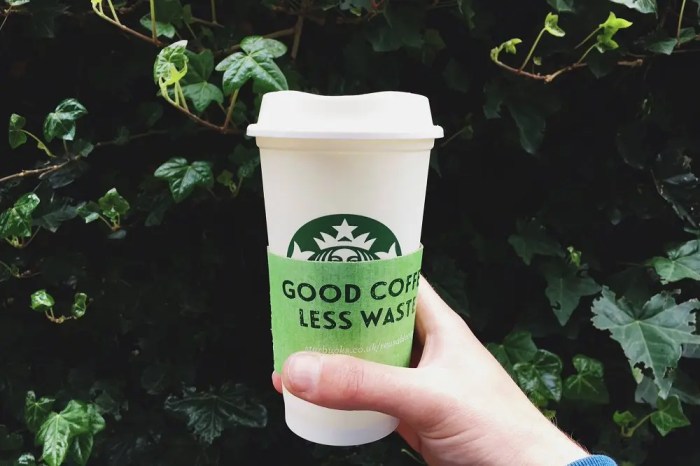
- Reusable Cups: Starbucks has actively promoted the use of reusable cups through various incentives and programs. This initiative reduces single-use plastic waste and encourages customer participation in a sustainable solution. Many stores offer discounts or rewards for customers who bring thein reusable cups, fostering a culture of environmental responsibility.
- Sustainable Sourcing: Starbucks is committed to sourcing coffee beans from ethically and sustainably managed farms. This includes working with suppliers to improve farming practices, ensuring fair prices for farmers, and supporting biodiversity conservation. The company aims to trace the origin of its coffee beans, promoting transparency and accountability throughout the supply chain.
- Waste Reduction: Starbucks has implemented various strategies to minimize waste, from optimizing packaging to recycling and composting initiatives. The company has focused on reducing packaging material use and improving waste management systems within its stores, actively reducing landfill waste.
History of Environmental Responsibility
Starbucks’ commitment to environmental responsibility has evolved. Early initiatives focused on specific areas, while current strategies reflect a more comprehensive and integrated approach. The company’s journey underscores the evolving understanding of environmental concerns within the coffee industry.
- Early Efforts: Early initiatives were often focused on specific issues like waste management and energy conservation. These initial steps laid the foundation for the more comprehensive approach seen today.
- Evolution of Commitment: Over time, Starbucks’ commitment has expanded to encompass a wider range of environmental concerns, including water conservation, biodiversity, and ethical sourcing. The company’s evolving policies demonstrate a growing awareness of the interconnectedness of environmental issues.
Comparison to Other Coffee Chains
Starbucks’s eco-friendly initiatives are being compared with those of other major coffee chains to gauge the relative effectiveness and comprehensiveness of their strategies. This comparison highlights the varying approaches to sustainability among different companies in the industry.
| Coffee Chain | Specific Program | Impact Assessment | Sustainability Focus |
|---|---|---|---|
| Starbucks | Reusable cup program, Sustainable sourcing, Waste reduction | Reduced single-use cups, improved farming practices, decreased waste | Environmental responsibility, ethical sourcing |
| Dunkin’ | Sustainable packaging, Community initiatives | Reduced packaging waste, community engagement | Environmental responsibility, social responsibility |
| Costa Coffee | Energy efficiency, water conservation | Lower energy consumption, reduced water usage | Environmental efficiency |
| Caribou Coffee | Local sourcing, Community partnerships | Supported local economies, community engagement | Local sourcing, community engagement |
Consumer Perception of Eco-Friendly Starbucks

Source: sportskeeda.com
Starbucks’ commitment to environmental sustainability has sparked varied reactions among consumers. Public perception of these efforts is often complex, influenced by both positive actions and perceived shortcomings. The company’s marketing strategies play a crucial role in shaping these perceptions, but consumer response is not solely dictated by promotional efforts.
Consumer perception of Starbucks’s eco-friendly initiatives is a multifaceted issue. The effectiveness of these initiatives depends on factors such as the perceived authenticity of the efforts, the practicality of the implemented changes for consumers, and the overall consistency of the company’s messaging. Different consumer segments may respond differently to various initiatives, highlighting the need for nuanced approaches in marketing and communication.
General Public Perception of Starbucks’s Eco-Friendly Initiative The public perception of Starbucks’s eco-friendly initiatives is generally positive, with many acknowledging the company’s efforts. However, some consumers feel that more substantial action is required. The company’s transparency and communication regarding its environmental impact are key factors influencing public opinion.
Role of Marketing and Communication in Shaping Consumer Opinions
Effective marketing and communication are critical in shaping consumer perceptions. Starbucks’ campaigns emphasizing reusable cups, waste reduction, and sustainable sourcing often resonate positively with environmentally conscious consumers. However, inconsistencies or perceived greenwashing can undermine these efforts, leading to skepticism or a negative perception.
Consumer Response to Different Eco-Friendly Initiatives
Consumer response varies significantly across different eco-friendly initiatives. For example, the introduction of reusable cups generally receives positive feedback, as it encourages reduced single-use plastic waste. Conversely, initiatives like specific packaging changes or sourcing practices might not always garner the same level of enthusiasm, depending on factors such as perceived practicality and cost.
Comparative Analysis of Consumer Feedback
| Initiative Type | Positive Feedback | Neutral Feedback | Negative Feedback |
|---|---|---|---|
| Reusable Cups | Increased awareness of environmental impact, reduced plastic waste, convenient alternative. | Some consumers find reusable cups inconvenient, especially when on the go. | Concerns about hygiene and maintenance of reusable cups, difficulty in cleaning. |
| Waste Reduction (e.g., compostable cups) | Appreciation for the effort to minimize waste, support for sustainable materials. | Concerns about the availability and consistency of compostable options, potential cost differences. | Skepticism about the effectiveness of compostable materials, concerns regarding the composting process. |
| Sustainable Sourcing | Positive view of ethical sourcing practices, support for farmers and communities. | Limited awareness or understanding of specific sourcing practices. | Concerns about the transparency of the supply chain, doubts about the authenticity of sustainability claims. |
Sustainability Practices and Products
Starbucks has increasingly focused on implementing sustainable practices across its operations, from sourcing to waste management. This commitment extends to the entire product lifecycle, aiming to minimize environmental impact and contribute to a more responsible approach to business.
Starbucks’ dedication to sustainability is evident in its various initiatives, including the use of recycled and renewable materials, responsible sourcing of coffee beans, and waste reduction strategies. These efforts reflect a broader commitment to environmental stewardship and social responsibility, influencing consumer perception and brand image positively.
Sustainable Product Materials
Starbucks’ commitment to sustainability extends to the materials used in its products. The company prioritizes the use of recycled and recyclable materials for its cups, packaging, and other items. This commitment reduces reliance on virgin resources and minimizes waste generation. Examples include using recycled paper for cups and sleeves and bio-based plastics for some packaging components.
Sustainable Coffee Bean Sourcing
Starbucks’ supply chain emphasizes ethical and sustainable sourcing of coffee beans. The company collaborates with farmers to improve farming practices, enhance yields, and ensure fair prices. These initiatives aim to create a positive impact on the livelihoods of coffee farmers and promote sustainable agricultural practices. This involves sourcing beans from certified farms, promoting responsible growing techniques, and ensuring fair trade practices.
Waste Reduction Strategies
Starbucks has implemented various strategies to reduce waste throughout its operations. These include the implementation of recycling programs, the promotion of reusable cups, and the development of compostable or biodegradable packaging solutions. These measures are aimed at minimizing the environmental footprint of its products and operations. The company’s commitment to waste reduction aligns with global efforts to promote sustainability and minimize environmental damage.
Eco-Friendly Product Overview
| Product | Description | Materials | Sourcing Information |
|---|---|---|---|
| Reusable Cups | Designed for repeat use, reducing single-use cup waste. | Durable, high-quality plastic or stainless steel. | Partnerships with various suppliers and manufacturers. |
| Recycled Paper Cups | Coffee cups made from recycled paper. | Recycled paper, often sourced from sustainably managed forests. | Partnerships with paper suppliers committed to responsible forestry practices.Bio-Based |
| d Plastic Packaging | Packaging materials derived from renewable resources. | Bio-plastics derived from plant-based sources like sugarcane. | Collaboration with companies specializing in bio-based plastics. |
| Compostable Foodware | Plates, bowls, and cutlery that break down naturally. | Compostable materials derived from plant-based sources. | Partnership with companies specializing in compostable products. |
Challenges and Opportunities for Eco-Friendly Starbucks
Starbucks’s journey toward eco-friendliness presents a complex interplay of hurdles and promising avenues. While the company has made significant strides in reducing its environmental footprint, substantial challenges remain, requiring innovative solutions and a proactive approach to sustainability. Opportunities for improvement exist across various aspects of their operations, from sourcing to waste management. Understanding these challenges and opportunities is crucial for a comprehensive evaluation of Starbucks’ overall sustainability efforts.
The pursuit of eco-friendly practices often faces logistical and financial constraints. Balancing environmental responsibility with economic viability is a delicate act, demanding strategic planning and resource allocation. New technologies offer potential solutions to overcome these hurdles, yet successful implementation requires careful consideration of existing infrastructure and workforce training.
Challenges in Implementing Eco-Friendly Practices
Starbucks faces several key challenges in implementing its eco-friendly initiatives. These challenges often intertwine and necessitate a holistic approach to address them effectively. Supply chain complexities, including sourcing sustainable ingredients and managing packaging materials, pose significant hurdles. Furthermore, the sheer scale of Starbucks’ global operations adds complexity to implementing and monitoring consistent eco-friendly practices across all stores.
- Supply Chain Management: Securing sustainable sourcing for coffee beans, tea leaves, and other ingredients while maintaining fair trade practices presents a complex challenge. Fluctuations in global markets and the need for ethical sourcing often create unforeseen difficulties. The global nature of the supply chain necessitates constant vigilance and transparent communication with suppliers to ensure compliance with sustainability standards.
- Waste Management: The volume of waste generated by a large chain like Starbucks is considerable. Developing effective waste reduction strategies, including composting programs, recycling initiatives, and innovative packaging solutions, requires significant investment in infrastructure and operational changes. Ensuring proper waste management across diverse store locations is crucial.
- Consumer Behavior: Encouraging consumers to adopt sustainable practices, such as using reusable cups, remains a challenge. Despite Starbucks’ initiatives, consumer awareness and engagement with eco-friendly options can vary. Addressing consumer behavior requires targeted marketing campaigns and clear communication about the environmental benefits of sustainable choices.
Opportunities for Improvement in Eco-Friendly Initiatives
Opportunities exist for Starbucks to further enhance its eco-friendly initiatives. Innovation in packaging design, the adoption of new technologies, and partnerships with environmental organizations are key areas for improvement.
- Sustainable Packaging Innovations: Exploring and adopting alternative packaging materials, such as biodegradable or compostable options, presents a significant opportunity. Collaboration with researchers and material scientists can lead to the development of more environmentally friendly packaging solutions, minimizing waste and maximizing recyclability.
- Technology Integration: Leveraging data analytics and technological advancements, such as smart sensors and automated waste-sorting systems, can optimize resource allocation and streamline waste management processes. Implementing digital tools for order tracking and waste management can improve efficiency and transparency. For instance, a mobile app allowing consumers to order ahead and choose reusable cups could reduce waste and improve customer experience.
- Partnerships and Collaboration: Collaborating with environmental organizations and NGOs can enhance Starbucks’ sustainability efforts. Such collaborations can provide access to expertise, resources, and best practices in areas like sustainable agriculture and waste management. Joint initiatives could promote greater environmental awareness and create mutually beneficial partnerships.
Potential Impact of New Technologies
New technologies can significantly impact Starbucks’ sustainability goals. Innovations in renewable energy sources, waste management technologies, and data analytics can create more sustainable practices and reduce the company’s environmental footprint.
- Renewable Energy: Investing in renewable energy sources, such as solar panels and wind turbines, can reduce reliance on fossil fuels and lower greenhouse gas emissions. Examples of the successful implementation of solar panels in retail locations can be seen across various sectors.
- Waste Management Technologies: Advanced waste sorting and processing technologies can improve waste recycling rates and minimize landfill waste. The use of advanced sensors and automated systems can streamline waste management, ensuring efficiency and reducing environmental impact.
- Data Analytics: Utilizing data analytics can help Starbucks understand consumer preferences, optimize resource allocation, and identify areas for improvement in its sustainability efforts. By analyzing data related to waste generation, energy consumption, and resource usage, Starbucks can develop more targeted strategies to reduce its environmental footprint.
Comparison of Challenges and Opportunities Across Initiatives
The challenges and opportunities for different eco-friendly initiatives at Starbucks are interconnected. For example, the challenge of sourcing sustainable coffee beans is directly related to the opportunity of using sustainable packaging materials. Implementing sustainable practices in sourcing necessitates addressing issues in the supply chain, which in turn presents opportunities for implementing advanced waste management systems.
Customer Engagement and Feedback

Source: comunicaffe.com
Starbucks recognizes the importance of customer feedback in shaping its eco-friendly initiatives. Understanding customer perspectives allows the company to tailor its programs and products to better meet evolving consumer expectations and preferences. By actively soliciting and analyzing customer input, Starbucks can refine its sustainability efforts and build stronger relationships with its customer base.
Customer feedback is crucial for identifying areas where Starbucks’ eco-friendly initiatives resonate with customers and areas where adjustments are needed. A thorough understanding of customer sentiment helps in creating a more impactful and sustainable approach to eco-consciousness.
Methods for Gathering Customer Feedback
Starbucks employs various methods to gather customer input on its eco-friendly initiatives. These methods include online surveys, in-store feedback forms, social media monitoring, and customer focus groups. Regularly monitoring online discussions and reviews provides valuable insights into customer opinions and concerns related to sustainability.
Utilizing Customer Feedback for Improvement
Starbucks actively uses customer feedback to inform and adjust its eco-friendly practices. For example, if customer surveys reveal concerns about the cost of reusable cups, Starbucks may explore options to make them more affordable or offer discounts. By carefully analyzing the data gathered from various sources, the company can identify trends and patterns in customer preferences, which are then used to guide decision-making.
Engaging Customers in Eco-Friendly Activities
Starbucks can further enhance its eco-friendly efforts by engaging customers in activities beyond simply providing feedback. This can involve offering incentives for using reusable cups, promoting workshops on sustainable living, or collaborating with local environmental organizations. Creating opportunities for customers to actively participate in eco-conscious initiatives can foster a sense of shared responsibility and drive greater impact.
Examples of Effective Customer Engagement Strategies
Implementing loyalty programs that reward customers for using reusable cups is a demonstrably effective strategy. Starbucks could also host in-store workshops on sustainable coffee production or composting. Partnering with local environmental organizations for community cleanup drives or educational events provides an excellent platform for customer engagement and environmental awareness. Furthermore, promoting a “share your sustainability story” campaign on social media platforms encourages customer participation and strengthens the company’s image. This fosters a sense of community and promotes environmentally responsible practices. These examples demonstrate how actively engaging customers in eco-friendly activities can build brand loyalty and increase the positive impact of sustainability initiatives.
Future Trends in Eco-Friendly Practices: Eco-Friendly Starbucks
Source: greenmatters.com
The coffee industry is rapidly evolving, driven by consumer demand for sustainable practices and technological advancements. Starbucks, as a major player, needs to anticipate and adapt to these trends to maintain its position and appeal to environmentally conscious customers. This section explores potential future directions for eco-friendly practices in the coffee industry, including technological advancements and new strategies for consumption.
Technological Advancements in Eco-Friendly Practices
Technological advancements are poised to impact eco-friendly practices in the coffee industry significantly. Innovations in waste reduction, sustainable sourcing, and efficient production methods are key to a greener future. For example, advancements in 3D printing could potentially lead to more sustainable packaging solutions, while improvements in water filtration technology can minimize the environmental impact of coffee processing. Furthermore, the use of AI and data analytics can help optimize supply chains, leading to reduced transportation emissions and greater transparency in sourcing.
Potential New Strategies for Eco-Friendly Coffee Consumption
New strategies for eco-friendly coffee consumption are emerging, focusing on reducing environmental impact and promoting circularity. Subscription models for reusable coffee cups, for instance, can incentivize customers to reduce single-use plastic consumption. Furthermore, initiatives encouraging the reuse of coffee grounds for compost or other products can further promote a circular economy model.
Future Trends Table, Eco-Friendly Starbucks
| Future Trend | Description | Potential Impact on Starbucks | Examples |
|---|---|---|---|
| Circular Economy Packaging | Shifting away from single-use packaging to reusable or compostable alternatives. | Increased costs initially, but potential for long-term cost savings and enhanced brand image. | Implementing a reusable cup program, exploring compostable cups, and using recycled materials in packaging. |
| AI-Powered Supply Chain Optimization | Leveraging AI to optimize sourcing, transportation, and production, reducing waste and emissions. | Improved efficiency in logistics, better transparency for consumers, and potential for reduced costs. | Using AI to track coffee bean quality throughout the supply chain, optimizing routes for transportation, and minimizing food waste. |
| Personalized Coffee Experiences | Tailoring coffee brewing and consumption to individual preferences and reducing waste. | Enhanced customer satisfaction and potential for new revenue streams through tailored products and services. | Implementing personalized brewing systems, offering subscription services with customized blends, and using data analytics to predict customer preferences. |
| Sustainable Sourcing and Farming Practices | Promoting ethical and sustainable farming practices that enhance environmental protection. | Stronger brand image, improved relationships with farmers, and premium access and ethically sourced coffee beans. | Collaborating with farmers on sustainable farming techniques, investing in research on climate-resilient coffee varieties, and supporting fair trade practices. |
Impact on the Environment and Society
Starbucks’s eco-friendly initiatives aim to reduce its environmental footprint and foster positive social change. This commitment extends beyond mere marketing, reflecting a genuine desire to create a more sustainable future. The company’s actions have tangible impacts on the environment and society, with implications for long-term viability.
Starbucks’ multifaceted approach to sustainability demonstrates that environmental responsibility and profitability are not mutually exclusive. This includes a variety of initiatives aimed at reducing waste, conserving resources, and supporting ethical sourcing practices.
Environmental Impact of Eco-Friendly Practices
Starbucks’s eco-friendly practices, such as reducing single-use plastics, promoting reusable cups, and optimizing supply chain efficiency, contribute significantly to environmental protection. These actions demonstrably reduce waste and conserve resources. For example, the shift toward reusable cups directly diminishes the need for disposable cups, lessening landfill waste and associated environmental hazards. Furthermore, sustainable sourcing practices for coffee beans, such as supporting ethical farming practices, reduce deforestation and promote biodiversity.
Social Impact of Eco-Friendly Efforts
Starbucks’s eco-friendly initiatives also yield positive social impacts. By promoting ethical sourcing, the company supports fair wages and working conditions for coffee farmers, contributing to a more equitable global supply chain. Investing in renewable energy sources and reducing waste, the company minimizes negative environmental consequences on local communities and supports a healthy planet for future generations.
Long-Term Sustainability of Starbucks’ Strategies
Starbucks’ commitment to sustainable practices is critical for long-term viability. A strong commitment to sustainability fosters brand loyalty among environmentally conscious consumers. This commitment can also lead to cost savings, as it reduces waste and promotes efficiency. Adopting sustainable practices can help Starbucks anticipate and adapt to future regulations and evolving consumer demands, maintaining a competitive edge.
Impact on the Environment and Society: A Summary
| Initiative | Environmental Impact | Social Impact | Long-Term Sustainability |
|---|---|---|---|
| Reducing Single-Use Plastics | Decreased plastic waste in landfills and oceans, mitigating pollution. | Support for communities impacted by plastic waste, reduced health risks. | Increased brand reputation and consumer loyalty, potential cost savings. |
| Promoting Reusable Cups | Reduced demand for disposable cups, lower carbon emissions from transportation. | Support for local communities and waste management systems. | Increased consumer engagement and potentially reduced manufacturing costs. |
| Sustainable Sourcing Practices | Reduced deforestation and promotion of biodiversity in coffee-growing regions. | Improved livelihoods for farmers, promotion of fair trade practices. | Strengthened supply chain resilience, ensured access to sustainable resources. |
| Renewable Energy Sources | Reduced carbon emissions and reliance on fossil fuels, decreased greenhouse gas emissions. | Positive impact on local air quality, reduced environmental harm to local communities. | Enhanced brand image and reputation, alignment with evolving environmental regulations. |
Final Conclusion
In conclusion, Starbucks” eco-friendly efforts represent a significant undertaking within the coffee industry. The company’s initiatives, from sustainable sourcing to waste reduction, have garnered considerable attention, yet challenges remain. The evolving consumer demand for sustainability, coupled with emerging technologies, will undoubtedly shape the future of Starbucks’s eco-friendly initiatives. Further, the company’s success hinges on continuous adaptation, customer engagement, and a commitment to transparency and progress.