Best Eco-Friendly Promotional Products A Guide
Best eco-friendly promotional products – Best eco-friendly promotional products set the stage for a detailed exploration of sustainable marketing. This guide delves into the world of environmentally conscious promotional items, covering everything from material choices to production methods and consumer preferences.
From reusable water bottles to bamboo utensils, the market is brimming with innovative options. This exploration will highlight the diverse categories, design considerations, and ethical sourcing involved in creating truly eco-friendly promotional products. Understanding these aspects is crucial for businesses looking to make a positive impact while promoting their brands.
Defining Eco-Friendly Promotional Products
Eco-friendly promotional products are gaining significant traction as businesses seek sustainable alternatives to traditional giveaways. These products are designed with the environment in mind, incorporating materials and manufacturing processes that minimize their impact on the planet. They represent a valuable opportunity for companies to demonstrate their commitment to sustainability while building brand awareness.
These products are not simply about using pretty paper; they involve a careful consideration of the entire lifecycle of the product, from raw material sourcing to end-of-life disposal. This encompasses everything from the materials themselves to the energy consumed in manufacturing and transportation. Choosing eco-friendly promotional products aligns with broader sustainability goals and often reflects positively on a company’s brand image.
Defining Eco-Friendly Materials
Eco-friendly promotional products utilize various materials derived from renewable or recycled sources, often with a focus on minimizing waste and reducing reliance on non-renewable resources. Common materials include recycled plastic, bamboo, organic cotton, and biodegradable plant-based plastics. The selection of these materials directly impacts the environmental footprint of the product.
Environmental Benefits of Eco-Friendly Products
Using eco-friendly promotional products provides several key environmental benefits over traditional options. They often reduce reliance on fossil fuels, minimize waste, and support responsible resource management. For example, recycled plastic products divert waste from landfills and conserve natural resources. These products also contribute to a smaller carbon footprint throughout their life cycle, from material sourcing to disposal.
Certifications and Standards for Verification
Numerous certifications and standards exist to verify the eco-friendliness of promotional products. These certifications act as independent validations of the environmental claims made by manufacturers and suppliers. Examples include the Forest Stewardship Council (FSC) certification for sustainably sourced wood products and various standards for recycled content. These certifications provide consumers and businesses with assurance about the environmental integrity of the products.
Comparison of Eco-Friendly Materials
| Material | Material Source | Production Process | Environmental Impact |
|---|---|---|---|
| Recycled Plastic | Post-consumer plastic waste | Reprocessing existing plastic | Reduces landfill waste, conserves energy compared to virgin plastic production. Potentially lower carbon footprint depending on the recycling process and plastic type. |
| Bamboo | Bamboo plants | Sustainable harvesting and processing | Renewable resource, requires less water and pesticides than many other materials. Can reduce deforestation pressures depending on sourcing practices. |
| Organic Cotton | Organic cotton plants | Cultivated without synthetic pesticides and fertilizers | Reduces chemical runoff, conserves water, and supports biodiversity. It can have a lower environmental impact than conventional cotton. |
| Biodegradable Plant-Based Plastics | Plant starches or other plant-based materials | Processes that create biodegradable alternatives | Potentially reduces reliance on petroleum-based plastics. The actual impact depends on the specific plant-based material and the biodegradability conditions. |
Identifying Popular Categories
Eco-friendly promotional products are gaining significant traction, driven by growing consumer awareness of environmental issues. Understanding popular categories and current trends is crucial for businesses seeking to leverage this market effectively. Companies can tailor their promotional strategies to resonate with environmentally conscious consumers and contribute to a positive brand image.
Popular Categories of Eco-Friendly Promotional Products
A variety of eco-friendly promotional products cater to diverse needs and preferences. These products range from practical everyday items to more specialized options. The popularity of each category depends on factors such as current trends, target audience, and the specific message a company aims to convey.
- Reusable Water Bottles: These are highly sought-after items, reflecting the growing emphasis on reducing plastic waste. They are practical, stylish, and a readily visible symbol of environmental responsibility. Their popularity is fueled by the rising awareness of the environmental impact of single-use plastics.
- Tote Bags: Reusable tote bags have become increasingly popular as a sustainable alternative to single-use plastic bags. They are convenient for carrying groceries, shopping, or everyday items. Their versatility makes them a practical and visually appealing promotional item.
- Bamboo Utensils: Bamboo, a rapidly renewable resource, is gaining favor as a material for utensils. These utensils are an excellent option for promoting eco-conscious lifestyles and are a sustainable alternative to plastic or disposable cutlery.
- Plantable Seed Paper: This innovative promotional item combines a practical use with environmental awareness. Printed on seed paper, promotional messages are not only displayed but also encourage environmental stewardship by planting seeds for future growth.
- Compostable Packaging: Companies can choose to use compostable packaging for their promotional products or even the packaging for the items themselves. This demonstrates a commitment to minimizing waste and contributes to a more sustainable supply chain.
Current Trends in Eco-Friendly Promotional Product Design
Design trends in eco-friendly promotional products are constantly evolving. Companies are focusing on aesthetic appeal, functionality, and material innovation. Sustainability is paramount, but so is the desire to create attractive and useful items.
- Minimalist Design: Simple, clean designs are favored by environmentally conscious consumers. This reflects a preference for functional and uncluttered products, minimizing excess material.
- Recycled Materials: The use of recycled materials is increasingly popular, signifying a commitment to reducing waste and repurposing resources.
- Biodegradable and Compostable Options: These materials are increasingly prominent in promotional product design, reflecting a shift toward reducing the environmental impact of disposable items.
- Sustainable Sourcing: Companies are placing greater emphasis on ethically and sustainably sourced materials, reflecting a growing awareness of the importance of fair labor practices and environmental responsibility throughout the supply chain.
Factors Influencing Consumer Preference
Consumer preferences for eco-friendly promotional items are influenced by a variety of factors. Beyond the inherent sustainability aspect, factors like aesthetic appeal, functionality, and brand messaging play crucial roles.
- Environmental Awareness: Consumers are increasingly conscious of environmental issues and seek products aligned with their values. This is a primary driver for choosing eco-friendly promotional items.
- Brand Image: Eco-friendly products can significantly enhance a company’s image, projecting an environmentally responsible brand persona.
- Functionality and Aesthetics: The practical utility and appealing design of the promotional item influence consumer choice. Consumers look for items they can use regularly.
- Material and Production Methods: The origin and production process of the material play a crucial role in consumers’ perceptions of the item’s sustainability.
Categories of Eco-Friendly Promotional Products
This table presents a variety of eco-friendly promotional products categorized by product type, material, and target audience.
| Product Type | Material | Target Audience |
|---|---|---|
| Reusable Water Bottles | Stainless Steel, BPA-Free Plastic, Glass | Students, Professionals, Eco-Conscious Consumers |
| Tote Bags | Organic Cotton, Recycled Materials | Shoppers, Eco-Conscious Consumers, Businesses |
| Bamboo Utensils | Bamboo | Restaurants, Eco-Conscious Consumers, Businesses |
| Plantable Seed Paper | Seed Paper | Eco-Conscious Consumers, Gardeners, Businesses |
| Compostable Packaging | Plant-Based Materials | Businesses, Eco-Conscious Consumers |
Exploring Design Considerations
The design of eco-friendly promotional products is crucial. A well-designed product not only attracts attention but also reinforces the brand’s commitment to sustainability. Thoughtful design choices can communicate a brand’s values effectively and resonate with environmentally conscious consumers.
Effective design elevates the product’s impact beyond simple functionality. It fosters a connection between the brand and the consumer, highlighting shared values and creating a positive perception of the company’s sustainability efforts. Furthermore, a strong design can increase the likelihood of the product being reused or repurposed, extending its lifespan and minimizing environmental impact.
Importance of Design in Eco-Friendly Products
Design plays a critical role in shaping consumer perception and driving demand for eco-friendly promotional products. Attractive and innovative designs can make these products more desirable than conventional, non-sustainable alternatives. This desirability is a significant factor in encouraging consumers to adopt eco-friendly choices.
Aesthetic Considerations for Eco-Friendly Products
Aesthetic appeal is paramount in driving consumer engagement. Products must be visually appealing and reflect a sense of quality. Colors, patterns, and textures should complement the brand’s identity and resonate with the target audience. The overall design language should project a message of sustainability without compromising on style or functionality.
Examples of Innovative and Creative Eco-Friendly Product Designs
Innovative designs are key to capturing attention and driving consumer interest in eco-friendly products. Examples include reusable shopping bags featuring intricate, sustainable patterns or water bottles with a minimalist design using recycled materials. These designs not only showcase the product’s environmental benefits but also its aesthetic appeal. Another example is custom-designed notebooks made from recycled paper with unique binding methods, emphasizing both sustainability and elegance.
Comparative Analysis of Design Elements
| Design Style | Target Audience | Sustainability Impact | Example |
|---|---|---|---|
| Minimalist | Eco-conscious millennials and Gen Z | Low waste materials, reduced manufacturing processes | A reusable water bottle made from recycled plastic with a simple, sleek design. |
| Bold and Vibrant | Younger consumers and environmentally aware families | Use of recycled materials, eco-friendly inks | A reusable tote bag with a bold, nature-inspired print using plant-based inks. |
| Vintage and Rustic | Older generations and those seeking a timeless aesthetic | Upcycled or reclaimed materials, traditional craft techniques | This wooden pencil case is made from reclaimed wood with a vintage design. |
| Geometric | Modern and design-conscious individuals | Sustainable materials, eco-friendly manufacturing practices | A set of coasters made from recycled cork with a geometric pattern. |
Evaluating Production Methods
Choosing eco-friendly production methods is crucial for aligning promotional products with sustainability goals. It’s not just about the materials; the process itself plays a significant role in the product’s overall environmental impact. Ethical considerations are paramount, ensuring fair labor practices and responsible resource management throughout the supply chain.
Careful consideration of production methods allows businesses to minimize their environmental footprint and promote ethical sourcing. Different methods have varying impacts on resource consumption, waste generation, and overall sustainability.
Production Methodologies
Various methods are available for producing eco-friendly promotional products. Understanding the nuances of each process is essential for making informed choices.
- 3D Printing: This technology allows for intricate designs and customization. It’s becoming increasingly eco-friendly with advancements in material usage. However, the energy consumption of 3D printing can be significant, depending on the materials used and the specific printing technology. Some eco-friendly 3D printing methods employ recycled or bio-based plastics.
- Laser Cutting: Laser cutting is often used for intricate designs on wood, metal, and acrylic. It can be an efficient process, but the energy consumption of the laser machine and the type of materials used affect the environmental impact. Choosing sustainable wood sources and recycled metals significantly reduces the footprint.
- Screen Printing: Screen printing, a traditional method, can be adapted for eco-friendly applications. Using water-based inks and recycled or plant-based fabrics reduces the environmental impact. Careful management of waste ink and solvent usage is also crucial.
- Digital Printing: Digital printing offers flexibility in design and customization. Water-based inks and paper made from recycled materials can make this process more sustainable. However, the energy consumption of the printing machines should be considered.
- Sublimation Printing: This method uses heat to transfer images onto various fabrics. Eco-friendly options involve using sustainable fabrics and water-based inks. The energy used in the printing process and the choice of fabric are important considerations.
Environmental Impact Comparison
Different production methods vary significantly in their environmental impact. The material used and the specific manufacturing process have a direct correlation to the overall footprint.
- Energy Consumption: Some methods, like 3D printing, require substantial energy. The type of materials and the printing process itself influence energy usage. Choosing energy-efficient machinery and promoting renewable energy sources are important factors.
- Waste Generation: The amount of waste produced during manufacturing is a critical factor. Minimizing waste through process optimization, recycling materials, and using eco-friendly materials reduces the overall environmental impact.
- Water Usage: Certain processes, like screen printing, can involve significant water usage. Water conservation measures, such as implementing water recycling systems, can mitigate this impact. Utilizing water-based inks is also a step in reducing water usage.
Ethical Considerations
Ethical considerations in production extend beyond environmental impact. Fair labor practices, worker safety, and responsible sourcing of materials are essential.
- Fair Labor Practices: Ensuring fair wages, safe working conditions, and the right to organize for workers involved in the production process is paramount. Supporting suppliers who adhere to ethical labor standards helps create a sustainable supply chain.
- Sourcing Materials: Sustainable sourcing of materials, including recycled content, renewable resources, and conflict-free minerals, is essential for promoting ethical production. Transparency in the supply chain is vital for traceability and accountability.
Sustainable and Ethical Production Methods
Examples of sustainable and ethical production methods include using recycled or bio-based materials, minimizing waste, and implementing energy-efficient technologies.
- Recycled Materials: Using recycled plastics, metals, or paper significantly reduces the demand for virgin materials, conserving resources and minimizing environmental impact.
- Bio-Based Materials: Employing plant-based or other renewable materials in the production process can reduce reliance on fossil fuels and promote biodegradability.
- Energy-Efficient Technologies: Implementing energy-efficient machinery and processes can substantially reduce the environmental footprint of production methods.
Production Methods Table
| Method | Material Suitability | Environmental Footprint |
|---|---|---|
| 3D Printing | Wide range, including plastics, metals, composites | Moderate to high, depending on material and process |
| Laser Cutting | Wood, metal, acrylic, etc. | Moderate, dependent on material and energy usage |
| Screen Printing | Textiles, paper, etc. | Moderate, can be reduced with water-based inks and recycled materials |
| Digital Printing | Wide range, including paper, fabric, etc. | Moderate to high, depending on ink and paper type |
| Sublimation Printing | Textiles | Moderate, dependent on ink and fabric choice |
Understanding Sourcing and Materials: Best Eco-Friendly Promotional Products
Ethical sourcing is paramount in creating eco-friendly promotional products. Consumers are increasingly aware of the environmental and social impact of their purchases, demanding transparency and accountability from businesses. Choosing sustainable materials and ethical suppliers is crucial for building brand reputation and fostering trust with customers.
A crucial element of sustainability is understanding the lifecycle of a product, from raw material extraction to final disposal. The impact of material sourcing extends far beyond the manufacturing process; it encompasses the entire supply chain, including the labor conditions, transportation methods, and waste management practices employed by various stakeholders. This holistic approach ensures a more sustainable and responsible product lifecycle.
Importance of Ethical Sourcing
Ethical sourcing ensures fair labor practices throughout the supply chain. It promotes fair wages, safe working conditions and prohibits child labor or forced labor. By prioritizing ethical suppliers, companies contribute to a more equitable and sustainable global economy. Ethical sourcing is more than just a trend; it is a fundamental aspect of responsible business practices.
Impact of Material Sourcing on Sustainability
The selection of materials significantly influences the overall sustainability of a promotional product. Materials with a lower environmental footprint, such as recycled or biodegradable options, contribute to a more sustainable product. The sourcing method and the material’s inherent properties influence the environmental impact throughout the product’s life cycle. Careful consideration of material choices is essential for reducing waste and promoting responsible consumption.
Different Sourcing Options for Eco-Friendly Materials
A variety of sourcing options exist for eco-friendly materials. These options range from recycled materials to innovative, sustainable alternatives. Finding the optimal balance between cost, availability, and environmental impact is crucial. Exploration of diverse sourcing options ensures access to materials that meet sustainability criteria.
Environmental Impact of Different Material Choices
Different material choices have varying environmental impacts. For example, using recycled materials reduces the demand for virgin resources, thereby lessening the environmental strain on ecosystems. Biodegradable materials decompose naturally, minimizing landfill waste. The carbon footprint of transportation and processing also plays a significant role in the overall environmental impact of a product. Analyzing the environmental footprint of each material choice is crucial to informed decision-making.
Table of Sourcing Options for Eco-Friendly Materials
| Material | Origin | Certification |
|---|---|---|
| Recycled Plastic | Post-consumer waste, industrial scrap | FSC, SFI, or other relevant certifications |
| Bamboo | Sustainable plantations | FSC, PEFC, or other certifications verifying sustainable forestry practices |
| Organic Cotton | Certified organic farms | Global Organic Textile Standard (GOTS) or equivalent |
| Recycled Metal | Collected scrap metal | ISO 14001 or similar environmental management certifications |
| Bio-based Plastics | Plant-derived materials | Biodegradable certification, compostability standards |
Illustrating Eco-Friendly Product Examples
Source: squarespace-cdn.com
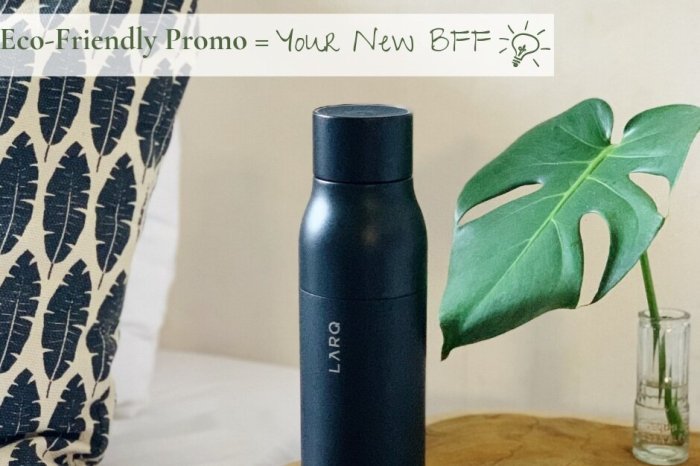
Eco-friendly promotional products offer a compelling way for businesses to connect with environmentally conscious consumers while reducing their carbon footprint. These products are designed to minimize their environmental impact throughout their life cycle, from material sourcing to disposal. Choosing the right eco-friendly promotional item can significantly enhance a brand’s image and resonate with a target audience seeking sustainable options.
Examples of Eco-Friendly Promotional Products, Best eco friendly promotional products
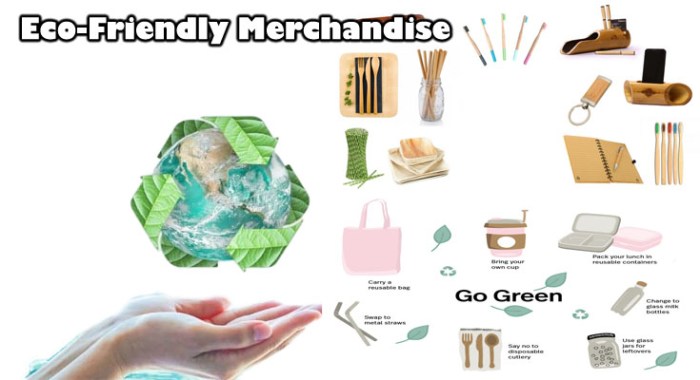
A wide range of innovative and practical products are now available, reflecting a commitment to sustainability. These products leverage recycled materials, biodegradable options, and mindful production processes. Here are several examples showcasing diverse approaches to eco-friendly promotional products:
Reusable Coffee Cups
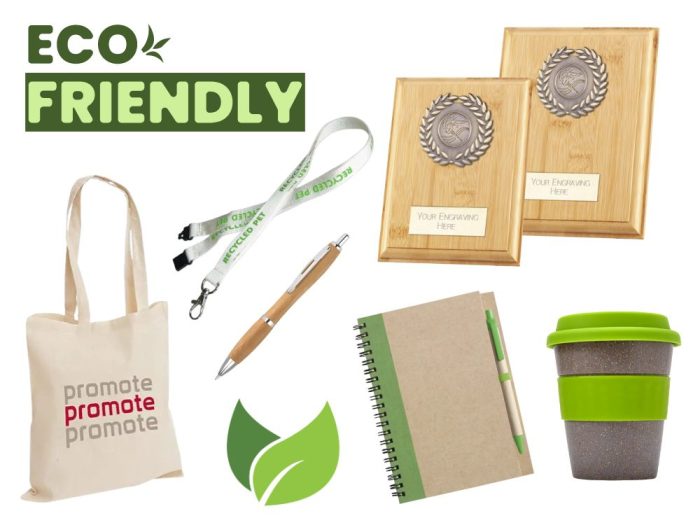
Reusable coffee cups are a popular choice for eco-conscious consumers. They reduce the need for single-use disposable cups, lowering landfill waste. These cups are often made from sustainable materials like recycled plastic or plant-based materials, such as sugarcane. Their durability allows for repeated use, minimizing the environmental impact associated with frequent replacements. The reduction in energy consumption from the avoided production of disposable cups contributes to a lower carbon footprint.
Bamboo Pens
Bamboo pens are a practical and stylish promotional item. Bamboo is a fast-growing renewable resource, offering a sustainable alternative to traditional wood-based pens. Their lightweight and durable nature makes them a suitable choice for everyday use. The natural aesthetic of bamboo adds a touch of sophistication and elegance to promotional materials.
Recycled Aluminum Water Bottles
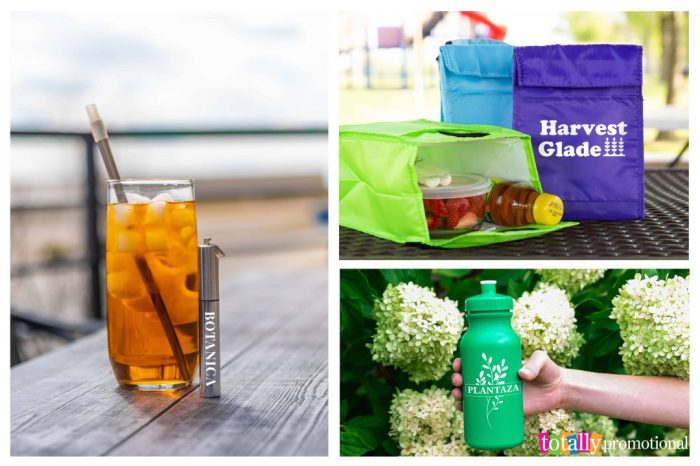
Recycled aluminum water bottles are a great option for promoting hydration and environmental awareness. Aluminum is easily recyclable, and using recycled aluminum minimizes the need for extracting new resources. These bottles offer durability and portability, making them a practical choice for both personal and promotional use. The lightweight and reusable nature of the bottles promotes sustainable hydration habits.
Table of Eco-Friendly Promotional Product Examples
| Product Name | Material | Key Features |
|---|---|---|
| Reusable Coffee Cups | Recycled plastic, sugarcane, or other plant-based materials | Durable, reusable, reduces single-use waste, eco-friendly material options |
| Bamboo Pens | Bamboo | Sustainable material, lightweight, durable, eco-friendly, natural aesthetic |
| Recycled Aluminum Water Bottles | Recycled aluminum | Durable, portable, reusable, supports recycling, minimizes resource extractio.n |
Addressing Consumer Preferences
Eco-conscious consumers are increasingly seeking out products that align with their values. This presents a significant opportunity for businesses looking to tap into this market segment. Understanding consumer preferences for eco-friendly promotional products is crucial for designing effective campaigns that resonate with this audience.
Today’s consumers are more informed and discerning than ever before, actively researching and comparing products based on environmental impact. This means that simply labeling a product as “eco-friendly” may not be enough to attract attention; a thorough understanding of the specific factors influencing their choices is essential.
Consumer Preferences for Eco-Friendly Products
Consumers prioritize various aspects when selecting eco-friendly promotional products. Material sustainability, ethical sourcing, and the product’s overall lifecycle are key considerations. Consumers also appreciate transparency and readily available information regarding the product’s origin, manufacturing process, and environmental impact.
Factors Influencing Consumer Choices
Several factors influence consumer choices in the market. Environmental impact is a paramount concern. Consumers actively seek out products with minimal environmental footprint, from the raw materials to the manufacturing process and disposal. Ethical sourcing and fair labor practices are also significant factors, with consumers increasingly aware of the social responsibility implications of their purchases. Additionally, the perceived value and functionality of the product play a role, with consumers often balancing environmental consciousness with practical considerations.
Successful Eco-Friendly Promotional Campaigns
Several successful eco-friendly promotional campaigns highlight the power of connecting with consumer values. A company promoting reusable water bottles made from recycled plastic and partnering with a local environmental organization for a donation program exemplifies a successful strategy. Campaigns that focus on educating consumers about sustainable practices and the benefits of eco-friendly products are also highly effective. For example, a campaign that showcases the longevity of a reusable coffee cup, highlighting its environmental impact over disposable alternatives, can drive significant consumer engagement.
Key Elements Driving Consumer Engagement
Several elements are crucial for driving consumer engagement with eco-friendly products. Transparency in the product’s lifecycle is paramount, showcasing the materials used, the manufacturing process, and the environmental impact. Highlighting the product’s durability and longevity demonstrates its value proposition, encouraging repeat purchases and reducing waste. Strong storytelling and a clear brand message are important for resonating with consumers.
Designing Promotional Campaigns for Eco-Conscious Consumers
Effective promotional campaigns cater to eco-conscious consumers by incorporating several key strategies. First, companies should emphasize the sustainability aspects of their products, providing detailed information about materials, sourcing, and production methods. Second, promoting the product’s longevity and reusability is essential, emphasizing its value proposition over single-use alternatives. Finally, partnering with environmentally conscious organizations or initiatives can amplify the campaign’s impact and build trust with the target audience.
Promoting Eco-Friendly Practices
Source: wpg-group.com
The promotional products industry, while offering valuable marketing tools, has a significant environmental footprint. Promoting eco-friendly practices is crucial to mitigate this impact and foster a more sustainable future. This involves choosing materials, manufacturing processes, and distribution strategies that minimize environmental harm. Adopting these practices demonstrates a company’s commitment to sustainability, appealing to environmentally conscious consumers and potentially boosting brand image.
The industry’s transition toward sustainability requires a multifaceted approach, encompassing everything from material sourcing to product design. Companies can reduce their environmental impact by selecting sustainable materials, optimizing packaging, and minimizing waste throughout the supply chain. This conscientious approach benefits not only the planet but also strengthens a company’s brand image and fosters customer loyalty.
Importance of Promoting Eco-Friendly Practices
Promoting eco-friendly practices in the promotional product industry is essential for several reasons. It fosters a positive brand image by showcasing a commitment to environmental responsibility. This resonates strongly with environmentally conscious consumers, leading to increased brand loyalty and customer trust. Furthermore, adopting sustainable practices can lead to cost savings in the long run by optimizing material usage and reducing waste. Companies can gain a competitive advantage by proactively addressing environmental concerns.
Examples of Initiatives to Encourage Sustainable Practices
Several initiatives can encourage sustainable practices within the promotional product industry. Companies can collaborate with suppliers who prioritize sustainable sourcing and production. Implementing a comprehensive waste management system to minimize landfill waste is another effective measure. Furthermore, promoting the use of recycled materials and biodegradable options is key. Finally, promoting the use of reusable and durable products in promotional campaigns can minimize the production of single-use items.
Role of Businesses in Promoting Sustainability
Businesses play a vital role in promoting sustainability through their promotional products. Choosing eco-friendly materials and manufacturing processes demonstrates a genuine commitment to environmental responsibility. Furthermore, businesses can actively educate consumers about sustainable choices through their promotional campaigns, encouraging a broader shift towards sustainability. Partnering with environmental organizations or supporting green initiatives can amplify the impact of these efforts.
Best Practices for Promoting Eco-Friendly Promotional Products
| Action | Impact | Measurement |
|---|---|---|
| Use recycled or renewable materials in product manufacturing | Reduces reliance on virgin resources, minimizing environmental impact | Track the percentage of recycled/renewable materials used in each product line. |
| Optimize packaging to minimize waste | Reduces landfill waste and transportation costs | Measure the weight and volume of packaging materials used per product. Track the reduction in packaging waste over time. |
| Partner with sustainable suppliers | Ensures ethical and environmentally responsible sourcing | Verify supplier certifications (e.g., Fair Trade, Forest Stewardship Council) and track supplier sustainability reports. |
| Employ eco-friendly printing methods. | Reduces the use of harmful chemicals and solvents | Track the amount of solvents and chemicals used in the printing process. Assess the environmental impact rating of the printing methods. |
| Offer repair or reuse options for products | Increases product lifespan and reduces waste | Track the number of products repaired or reused. Monitor customer adoption of repair or reuse programs. |
Final Wrap-Up
Source: totallypromotional.com
In conclusion, choosing the best eco-friendly promotional products is no longer a mere trend but a critical aspect of modern marketing. By understanding the various factors influencing consumer choices, businesses can effectively leverage sustainable products to resonate with environmentally conscious audiences. This guide offers a comprehensive overview of the key elements, enabling informed decision-making and driving positive change within the promotional product industry.